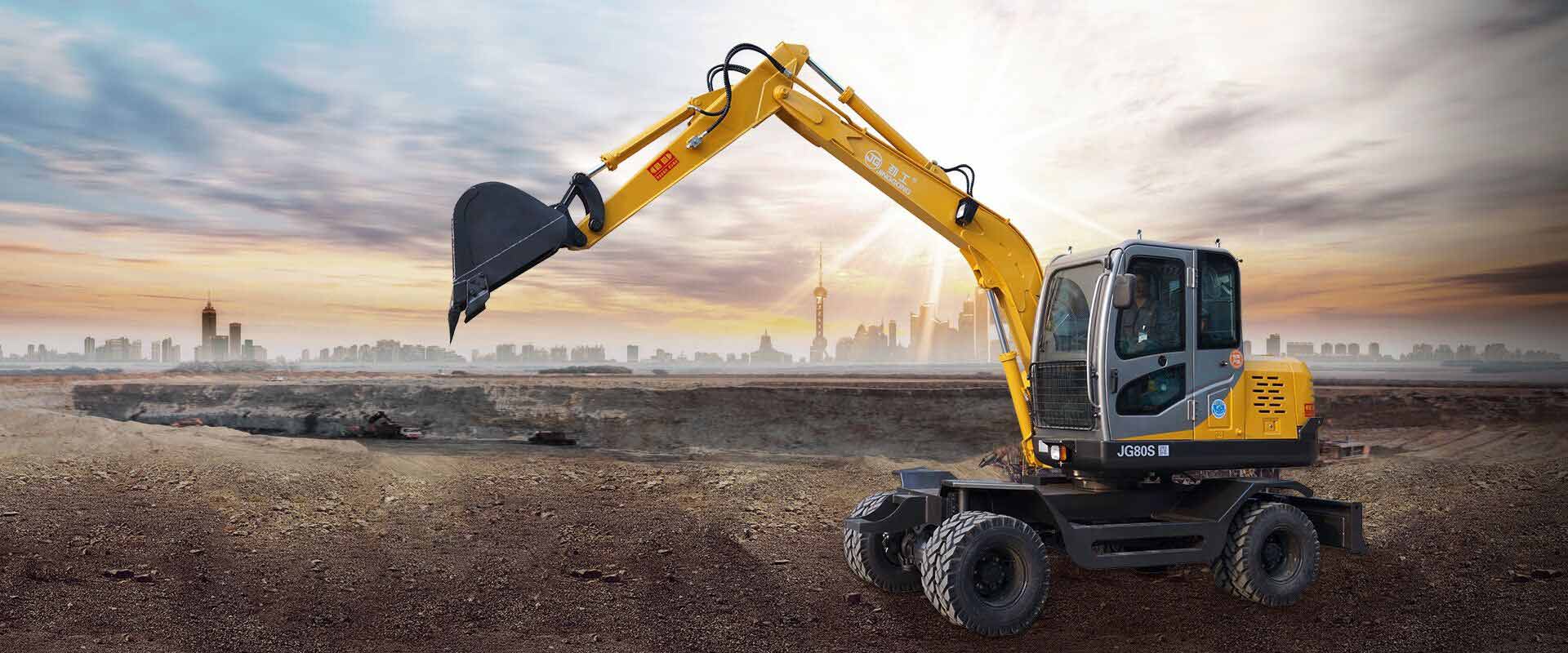
El sistema hidráulico de su excavadora es su corazón. Impulsa cada movimiento crítico, desde la potente inclinación de la cuchara hasta el preciso giro de la superestructura. Una falla en este sistema no solo significa tiempo de inactividad, sino que se traduce directamente en pérdidas económicas, reparaciones costosas y retrasos en los proyectos. Para los compradores internacionales y los gerentes de equipos que buscan maquinaria confiable, comprender cómo mantener adecuadamente este sistema vital no es solo una buena práctica, sino fundamental para proteger su inversión y garantizar la eficiencia operativa en exigentes obras globales. Esta guía completa profundiza en las prácticas esenciales que debe implementar.
Comprender la vida útil de su máquina
Imagine el sistema hidráulico como el sistema nervioso central que controla la inmensa potencia muscular de la excavadora. El fluido hidráulico a presión, impulsado por potentes bombas, fluye a través de una compleja red de válvulas, mangueras, cilindros y motores. Este fluido transmite fuerza, permitiendo a la máquina levantar cargas pesadas, excavar en terrenos difíciles y operar implementos con precisión. Cualquier contaminación, desgaste o negligencia en este sistema de circuito cerrado compromete su integridad, lo que conlleva una disminución del rendimiento, daños en los componentes y, en última instancia, una falla catastrófica. Mantener un sistema hidráulico en óptimas condiciones es fundamental.
La piedra angular de la fiabilidad: la vigilancia diaria y operativa.
El mantenimiento proactivo comienza con revisiones sencillas y constantes integradas en la rutina diaria del operador. Incluso antes de que el motor arranque, inspeccione visualmente todas las mangueras y tuberías hidráulicas con meticulosidad. Busque señales de alerta de posibles problemas: abrasiones donde las mangueras rozan con las estructuras, grietas en las cubiertas exteriores, abultamientos que indican un debilitamiento de las capas de refuerzo o cualquier fuga visible, ya sea un goteo leve o uno más significativo. La limpieza alrededor de las mangueras y conexiones es fundamental; la suciedad acumulada puede introducirse en el sistema durante los cambios o reparaciones de componentes. Controle regularmente los niveles de fluido hidráulico mediante el visor o la varilla medidora con la máquina en terreno llano y los cilindros hidráulicos retraídos para obtener una lectura precisa. Mantener el nivel de aceite correcto evita la cavitación de la bomba (un proceso destructivo que implica el colapso de burbujas de aire) y garantiza una refrigeración y lubricación adecuadas del sistema. Es crucial mantener impecablemente limpia la zona alrededor del tapón de llenado del depósito hidráulico. Incluso un pequeño grano de arena introducido durante el llenado puede causar daños importantes en componentes sensibles. Durante el funcionamiento, preste mucha atención al indicador de temperatura del aceite hidráulico. Operar constantemente en la zona roja, o superar con frecuencia la temperatura máxima recomendada por el fabricante, acelera drásticamente la degradación del fluido y el endurecimiento de los sellos, lo que provoca fugas y desgaste interno.
Prestar atención a los susurros antes de que se conviertan en gritos: Reconocer las señales de advertencia
Su excavadora comunica problemas hidráulicos mediante diversos síntomas mucho antes de que se produzca una avería importante. Aprenda a interpretar estas señales. Los ruidos inusuales son señales de alerta importantes: un zumbido o un ruido de cavitación en la bomba suele indicar un nivel bajo de fluido, un filtro de succión obstruido o un fluido demasiado viscoso (espeso), especialmente en arranques en frío. Los ruidos de golpeteo pueden indicar cavitación severa o incluso daños internos en la bomba. Preste mucha atención al rendimiento de la máquina. ¿Se mueve la pluma o el brazo más lento de lo normal, incluso sin carga? ¿La máquina carece de su potencia habitual de excavación o elevación? ¿Las operaciones se sienten bruscas o inestables? Esta degradación del rendimiento suele indicar fugas internas en bombas, motores o cilindros, baja presión del sistema o fluido contaminado que afecta al funcionamiento de las válvulas. Las fugas de fluido visibles, ya sean goteos externos o fugas internas que generan calor excesivo, nunca son aceptables y requieren una investigación inmediata. Del mismo modo, el fluido hidráulico que se ve excesivamente oscuro, lechoso (lo que indica contaminación por agua) o que contiene partículas visibles indica que es hora de cambiarlo y realizar una limpieza completa del sistema.
Invertir en longevidad: mantenimiento programado y gestión de fluidos
Más allá de las revisiones diarias, cumplir estrictamente con los intervalos de mantenimiento programados por el fabricante es fundamental para el buen funcionamiento del sistema hidráulico a largo plazo. La tarea recurrente más importante es el cambio del fluido hidráulico y los filtros (tanto de succión como de presión) según las horas de funcionamiento o el calendario establecidos. Es absolutamente esencial utilizar el grado exacto de fluido hidráulico especificado por el fabricante de la excavadora. Sustituir fluidos, incluso aquellos que se anuncian como equivalentes, puede provocar incompatibilidad de aditivos, lubricación reducida, hinchazón o contracción de los sellos y fallas prematuras de los componentes. Utilice siempre fluidos de alta calidad y filtros originales o aprobados por el fabricante; los filtros de baja calidad pueden permitir el paso de partículas dañinas. Al cambiar los filtros, limpie meticulosamente el área circundante para evitar la entrada de contaminantes. Considere realizar análisis periódicos del fluido hidráulico (muestras de aceite). Este servicio proactivo, realizado por laboratorios especializados, proporciona un diagnóstico exhaustivo del estado del fluido y del sistema hidráulico interno. Permite detectar metales de desgaste, identificar los niveles de contaminación (suciedad, agua) y evaluar la vida útil restante del fluido, lo que le permite abordar posibles problemas antes de que causen tiempos de inactividad.
Colaboración para un rendimiento óptimo: atención profesional e integridad del sistema.
Si bien la diligencia del operador constituye la primera línea de defensa, la colaboración con técnicos cualificados es fundamental para el mantenimiento integral del sistema hidráulico. Programe inspecciones periódicas con mecánicos certificados que puedan realizar pruebas de presión para comprobar el caudal de la bomba, el funcionamiento de las válvulas y la configuración de las válvulas de alivio, e identificar fugas internas no visibles externamente. También pueden inspeccionar componentes críticos como el enfriador hidráulico para detectar obstrucciones (las aletas obstruidas con residuos reducen drásticamente la eficiencia de la refrigeración) y asegurarse de que el respiradero del sistema funcione correctamente para evitar la entrada de humedad. Si un componente hidráulico requiere reparación o sustitución, insista en utilizar piezas de alta calidad. Las bombas o motores reacondicionados de proveedores de confianza o las piezas originales del fabricante garantizan la compatibilidad y la fiabilidad, protegiendo así el resto de su inversión. Para problemas hidráulicos complejos, la resolución de problemas requiere conocimientos especializados y herramientas de diagnóstico; confíe en profesionales experimentados para diagnosticar y resolver problemas con precisión y eficiencia. Por último, asegúrese de que todo el mantenimiento y las reparaciones se documenten meticulosamente en el registro de servicio de la máquina. Este registro es invaluable para el seguimiento de la vida útil de los componentes, las reclamaciones de garantía y el valor de reventa.
Conclusión: El mantenimiento como fundamento del valor
Un sistema hidráulico con un mantenimiento meticuloso es fundamental para la productividad, la durabilidad y el valor general de su excavadora. Descuidarlo es un riesgo costoso que inevitablemente conlleva reparaciones costosas, paradas no planificadas y una menor vida útil de la máquina. Al integrar inspecciones diarias rigurosas, cumplir con los cambios programados de fluidos y filtros utilizando solo materiales aprobados, reconocer las señales de alerta temprana y aprovechar la experiencia profesional para el diagnóstico y las reparaciones, usted protege activamente su inversión en equipos. Este enfoque disciplinado minimiza las interrupciones costosas, garantiza que su excavadora ofrezca constantemente el rendimiento potente y confiable que exigen los proyectos internacionales y protege la importante inversión de capital que representa su maquinaria pesada. Haga del mantenimiento del sistema hidráulico una prioridad innegociable: su rentabilidad depende de ello.
No. 88 Pancuo, Jiaonan Village, HeShi Town, Luojiang District, Quanzhou, Fujian, China
tel : +8618805957336
WhatsApp : +8618805957336
Email : winny@fjjgjx.com
 red ipv6 compatible
 escanear a wechat :

 tel : +8618805957336
 Email : winny@fjjgjx.com


 mapa del sitio