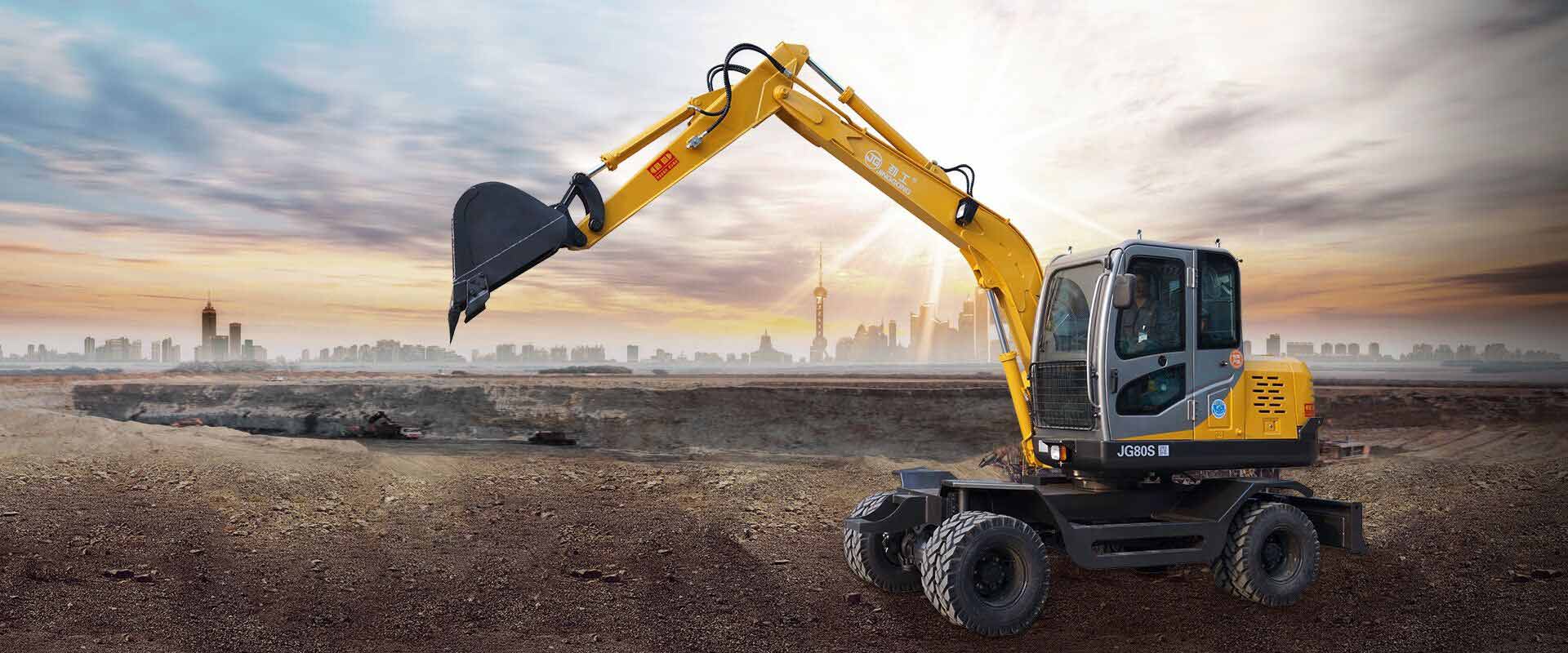
Cómo elegir la excavadora adecuada para su proyecto de construcción: Guía del comprador
Adquirir una excavadora representa una inversión importante para cualquier proyecto de construcción. Con la variedad de tamaños, capacidades y características disponibles, elegir la máquina ideal puede resultar abrumador. Esta guía simplifica el proceso, ayudándole a encontrar la excavadora que mejor se adapte a sus necesidades y presupuesto.
Comience por analizar detenidamente su proyecto. ¿Qué tipo de trabajo realizará principalmente la excavadora? Excavar cimientos profundos requiere capacidades diferentes a las de trabajos de jardinería delicados, excavaciones para servicios públicos, carga eficiente de camiones o demoliciones complejas. Considere la profundidad de excavación típica que necesitará y el alcance máximo necesario para colocar materiales de manera efectiva. Piense en el material que excavará con mayor frecuencia: ¿tierra vegetal suelta, arcilla compactada, terreno rocoso o una mezcla? Además, evalúe minuciosamente las condiciones del sitio de trabajo. ¿Cuánto espacio físico hay disponible para que la máquina maniobre? ¿Existen restricciones de altura bajo estructuras o líneas eléctricas? ¿Cómo es el terreno: firme, blando, fangoso o con una pendiente pronunciada? Finalmente, sea realista con su presupuesto, no solo para la compra o el alquiler inicial, sino también considerando los posibles costos de financiamiento, el consumo de combustible a largo plazo y los gastos de mantenimiento continuos durante la vida útil de la máquina.
El siguiente paso es comprender los principales tipos de excavadoras. La más común es la excavadora de orugas estándar, montada sobre orugas. Estas máquinas ofrecen una excelente estabilidad en terrenos irregulares o accidentados y una tracción superior en condiciones de barro. Las excavadoras de ruedas, por otro lado, proporcionan una velocidad de desplazamiento mucho mayor entre diferentes áreas de una obra y son más suaves en superficies pavimentadas como carreteras o aceras, lo que las hace ideales para proyectos urbanos o trabajos que requieren reubicación frecuente. Las miniexcavadoras son potentes máquinas compactas, perfectas para trabajar en espacios reducidos donde las máquinas más grandes simplemente no caben; por ejemplo, en patios traseros residenciales, excavaciones de sótanos o demoliciones en interiores. Combinan potencia con una maniobrabilidad impresionante. Para proyectos que implican excavaciones muy profundas o tareas que requieren un alcance extendido, como el dragado o el trabajo en taludes, una excavadora de largo alcance con su pluma y brazo extendidos es esencial. Finalmente, si su proyecto implica el manejo de grandes volúmenes de material, como la carga de camiones o el traslado rápido de grandes cantidades de material almacenado, considere una manipuladora de materiales. Estas suelen contar con accesorios especializados como pinzas hidráulicas.
Más allá del tipo básico, varias características clave requieren su atención. El peso operativo es un factor de clasificación crucial, que impacta directamente en la estabilidad de la máquina y su idoneidad para diferentes condiciones del terreno. Asegúrese de que la excavadora elegida sea lo suficientemente pesada para manejar su carga de trabajo de forma segura, pero no tanto como para dañar los caminos de acceso al sitio o requerir permisos especiales para el transporte. La potencia del motor influye en la productividad y la eficiencia del combustible; ajuste la potencia a sus tareas habituales sin pagar de más por una capacidad que no utilizará eficazmente. El rendimiento del sistema hidráulico es vital para alimentar los implementos de manera suave y eficiente; considere el caudal hidráulico auxiliar si planea usar accesorios como martillos hidráulicos, barrenas o compactadores de forma extensiva. No subestime la importancia de la cabina. La comodidad del operador impacta significativamente en la productividad y la seguridad. Busque asientos ajustables, visibilidad clara en todas las direcciones, controles intuitivos que reduzcan la fatiga del operador y calefacción o aire acondicionado adecuados para su clima. Las características de seguridad como la protección ROPS/FOPS son no negociables.
Finalmente, seleccionar un proveedor reputado y confiable es tan crucial como elegir la máquina adecuada. Busque fabricantes o distribuidores conocidos por su sólida calidad de construcción, confiabilidad constante y soporte de repuestos disponible en todo el mundo, esencial para minimizar costosos tiempos de inactividad, especialmente en ubicaciones remotas. Investigue la red de servicio y la estructura de soporte del proveedor. ¿Qué tan accesible y receptivo es su soporte técnico? ¿Cuentan con técnicos certificados cerca de las áreas de su proyecto? ¿Cuáles son los términos de su garantía? Un buen servicio posventa es invaluable durante la vida útil de la máquina. Asegúrese de que la excavadora cumpla con todas las regulaciones de seguridad y emisiones necesarias para las regiones donde planea operarla. Se recomiendan encarecidamente las demostraciones. Pruebe los modelos específicos que está considerando en las condiciones reales de su sitio de trabajo para tener una idea genuina de su rendimiento, estabilidad y comodidad del operador antes de comprometerse. Preste mucha atención a los puntos de servicio: ¿son los filtros, los puntos de engrase y las áreas de revisión diaria fácilmente accesibles para un mantenimiento eficiente?
Elegir sabiamente significa equilibrar las necesidades inmediatas del proyecto con el valor a largo plazo. Al evaluar minuciosamente las exigencias de su proyecto, comprender las diferentes clases y características de las máquinas, y asociarse con un proveedor confiable que ofrezca un sólido soporte, obtendrá una excavadora que se convertirá en un activo confiable y productivo en su obra durante muchos años. Dedique tiempo a investigar, hacer preguntas y priorizar el costo total de propiedad por encima del precio inicial. Su excavadora ideal está ahí fuera, lista para afrontar su próximo proyecto con potencia y precisión.
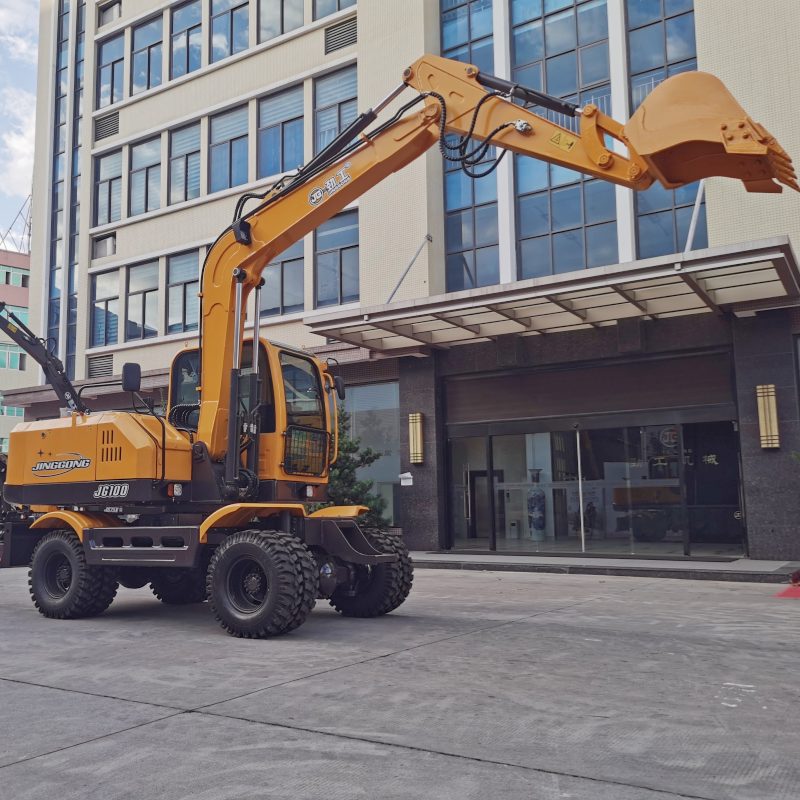
No. 88 Pancuo, Jiaonan Village, HeShi Town, Luojiang District, Quanzhou, Fujian, China
tel : +8618805957336
WhatsApp : +8618805957336
Email : winny@fjjgjx.com
 red ipv6 compatible
 escanear a wechat :

 tel : +8618805957336
 Email : winny@fjjgjx.com


 mapa del sitio