
Reliable uptime is the top priority for contractors and equipment rental businesses. Both wheeled and crawler-type excavators often work in punishing conditions: scrap-yards filled with metal dust, coal-loading terminals covered in fine coal powder, railway tracks exposed to ballast grit, or dusty demolition sites. Some sites also face heavy rain exposure or extreme cold winter climate, which brings extra hidden risks for moving parts and hydraulic circuits.
Most unexpected breakdowns are not caused by factory defects. They happen because simple daily maintenance gets rushed or skipped. Minor unaddressed wear slowly turns into costly component damage, bringing unplanned downtime that can hold up loading, sorting or time-sensitive site tasks. This article shares practical, field-tested maintenance advice that works for wheeled and crawler-mounted excavators, including special-purpose modified units.
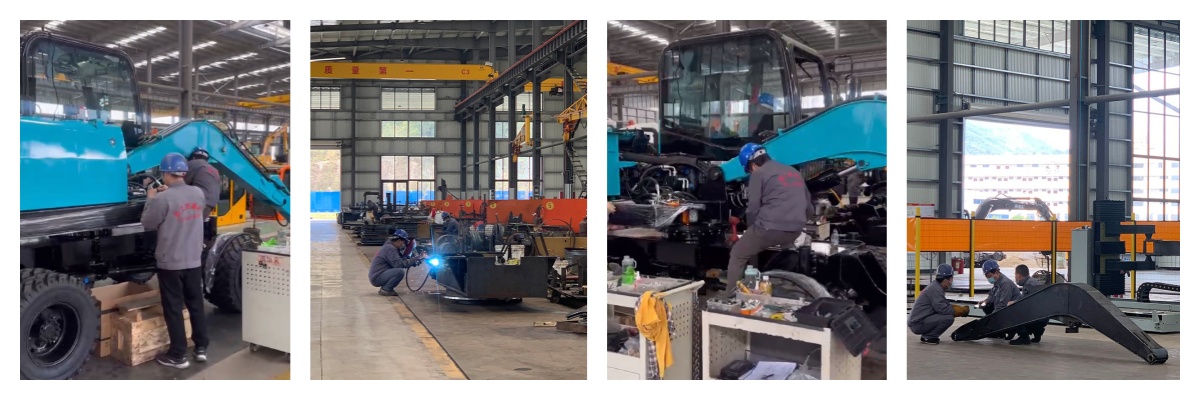
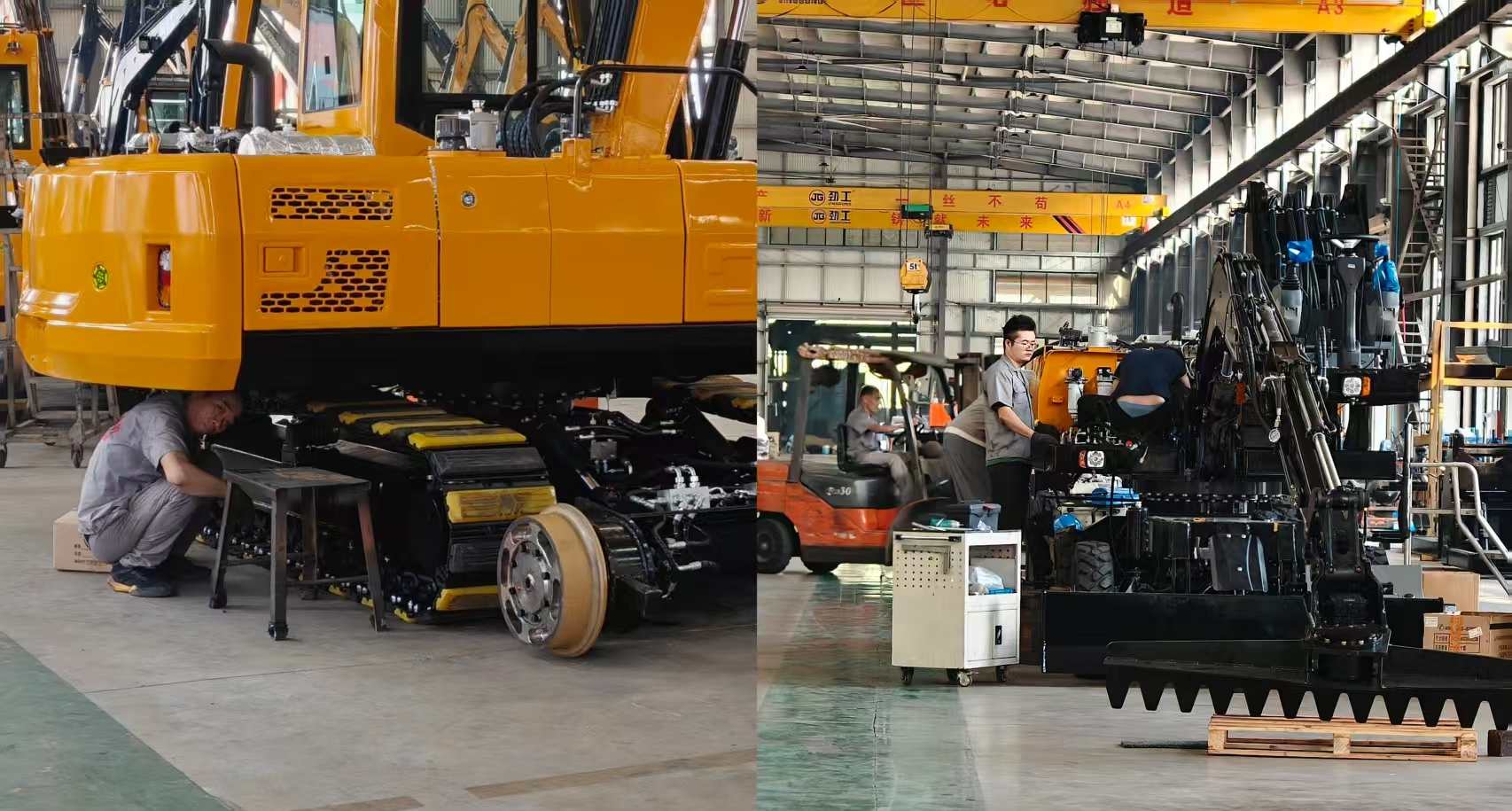
Operators should complete a short walk-around inspection before starting the engine. This whole process only takes 8-12 minutes. Do not cut corners even under tight project deadlines.
Check all fluid levels: engine oil, coolant, hydraulic oil and fuel. Look for fresh wet stains and oil leaks around hoses, pipe joints and cylinder seals. Dust and debris will stick to leaking oil, making leaks easy to spot visually. -Inspect hinge points and pin connections: boom and arm pivot pins, bucket / attachment connection pins. Watch for missing or broken grease nipples. Rainwater easily seeps into pin-bushing gaps. Without sufficient grease coating, exposed pin joints will suffer rust and corrosion, speeding-up seizure during wet-weather seasons. -Undercarriage & travel components: *For wheeled units: check tyre cuts, wear condition and tyre pressure. *For crawler units: inspect track tension, track shoe cracks, idlers and roller wear, remove rock and dirt trapped inside track links. -Visual inspection of working attachments: grapples, rakes, shears or standard digging buckets. Look for cracked welds, loose bolts and abnormal tooth wear. -Test cabin instruments: warning lights, alarm indicators, work lights and horn to confirm they function normally.
If you find oil leaks, deformed parts or obvious excessive wear, resolve these issues before starting work. Never run equipment with known faults just to finish one more load.
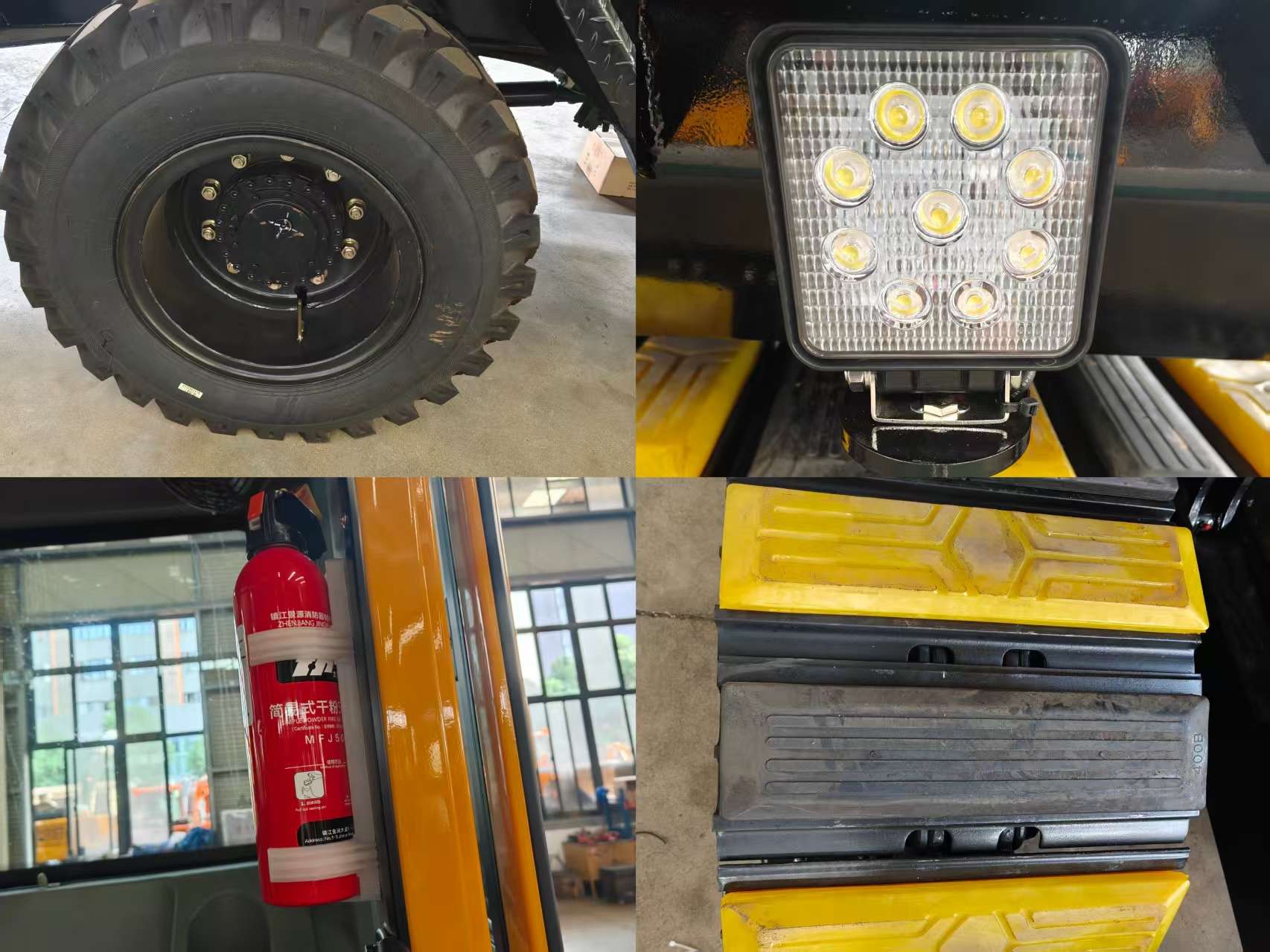
Carry out this set of work after every 50 operating hours. Shorten this service cycle if your machine runs in heavily dusty, grit-filled, rainy or frigid working environments.
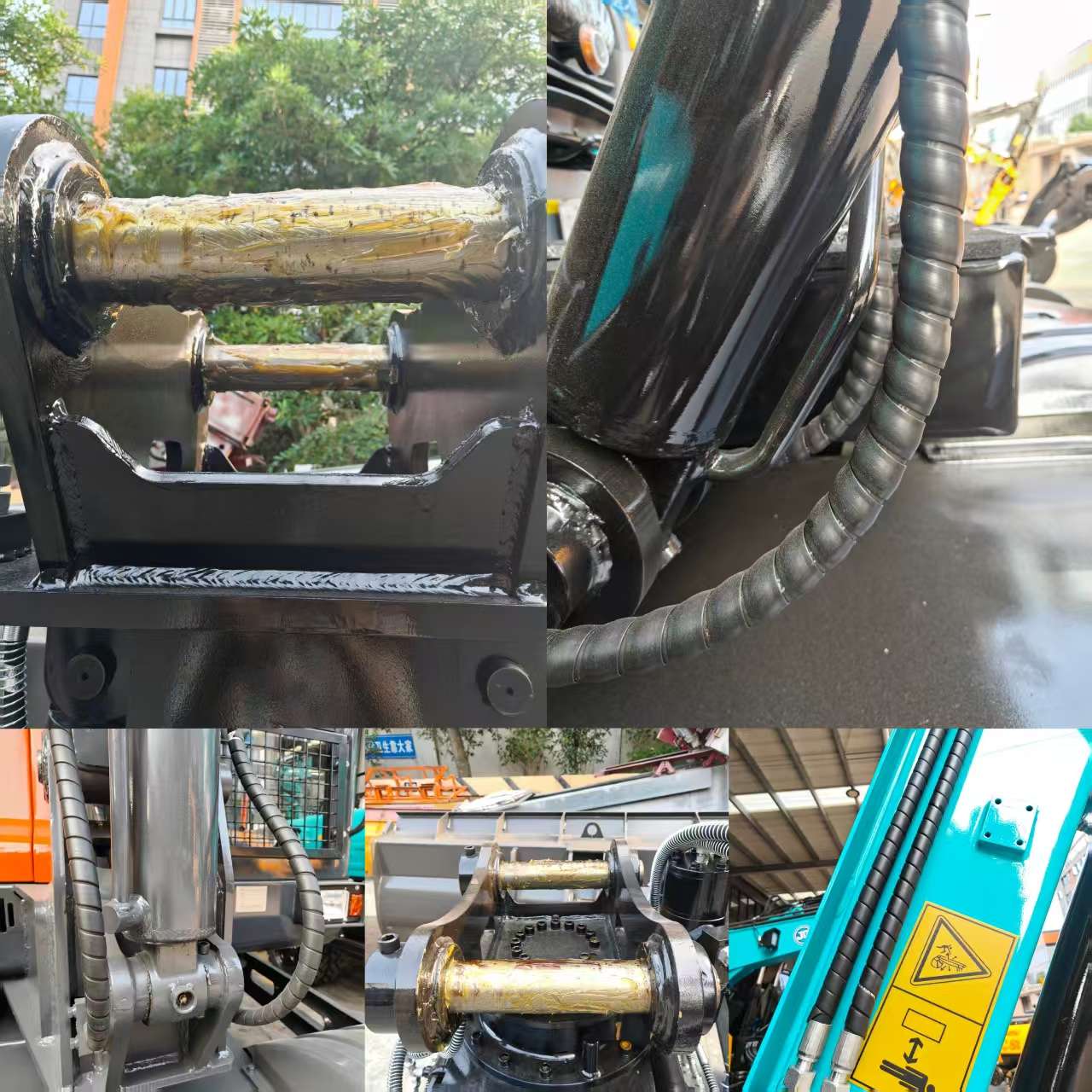
1. Fully grease all pivot pins, boom joints and attachment connection points. Grease forms a protective film that keeps rainwater out of pin-bushing interfaces. Skipping greasing in rainy weather quickly leads to surface rust, pitting corrosion and pin seizure. Dust, metal fragments and grit speed up abrasion on moving joints. Insufficient lubrication leads to fast pin-bushing wear and expensive later-stage replacement.
2. Inspect hydraulic filter condition. Replace filters earlier for high-dust worksites. Stained or blocked filters will accelerate wear of hydraulic pumps and valve groups.
3. Retighten loose bolts across chassis, counterweight, cabin mounting and attachment brackets. Continuous working vibration will gradually loosen fasteners over time.
4. Thoroughly clean radiator and cooling fins. Dust, coal particles and rubble easily block cooling surfaces, which will trigger engine overheating during long-hour heavy-duty operation.
5. Cold-climate special check (for regions such as Russia and northern high-latitude zones): Inspect insulation protective wraps on hydraulic hoses. In severe low-temperature winters, hydraulic fluid inside bare hoses risks thickening or partial freezing. Damaged or missing outer protective wrapping exposes tubing to frost, slowing hydraulic response or even blocking oil flow. Repair or re-apply hose insulation if wrapping is torn, peeled-off or missing.
Excavators frequently sit unused between project cycles. Improper storage creates hidden damage that only shows up once you restart the machine.
-Fully clean dust, grit, metal scraps and mud from the whole machine. Pay extra attention to hydraulic piston rods, undercarriage parts and attachments. Residues hold moisture and speed-up surface rust. - Retract all hydraulic cylinders completely to protect piston-rod chrome plating from damp air and corrosion. Add extra grease to all pin joints before long-term park-up, to resist rain-driven rust. - Fill the fuel tank to reduce water condensation inside the tank. For cold-region storage, use correct low-temperature-grade hydraulic oil and fuel as specified in the service manual. - Park under covered shelter whenever possible. If outdoor parking cannot be avoided, use waterproof tarpaulins to cover key hydraulic components and attachments. In cold zones, confirm hydraulic hose insulation layers remain intact. - Start the engine and run it for 10-15 minutes every two weeks. Circulate hydraulic oil to prevent internal component stagnant corrosion.
Q: My machine still runs fine, can I delay filter replacement?
A: It is not recommended. In dusty or grit-filled sites, filters contaminate much faster than on general construction sites. Postponing filter replacement raises the risk of wearing expensive hydraulic main components. The cost of early filter change is far lower than pump or valve repair work.
Q: Why do pin joints get stuck even when the machine seldom works?
A: Rain and moisture can penetrate pin-bushing gaps when grease protection wears away. Lack of fresh greasing allows rust and corrosion to build-up, and pins may seize even with limited operating hours. Keep to your greasing schedule especially in rainy seasons.
Q: What happens if hydraulic hose protective wrapping is damaged in cold areas like Russia?
A: Without insulation wrapping, hydraulic oil inside hoses becomes thick and can partially freeze under extreme low temperatures. This creates slow action, pressure spikes and potential hose failure. You should repair or replace torn protective layers in time.
Q: Do attachments also need regular maintenance?
A: Attachments are high-wear parts. Check weld seams, pin clearance and tooth wear in every shift. Keep all hinge points well-greased. Repair welding cracks in time. Do not operate attachments with existing structural cracks.
Q: When project deadlines are tight, is it acceptable to skip partial maintenance items?
A: Many site teams skip maintenance to catch-up progress. This creates major hidden risk. Time saved in the short term often results in multi-day unexpected breakdown exactly when you cannot afford downtime.
Wheeled and crawler excavators operate in rough real-world site conditions, including wet rainy seasons and extreme cold northern winters. Most failures do not happen suddenly. They build-up slowly from ignored daily checks, insufficient pin lubrication and neglected cold-climate hydraulic protection.
Simple pre-shift walk-around checks, 50-hour periodic servicing and proper idle-period storage will greatly protect your excavator fleet. Pay extra attention to pin-joint greasing against rain-induced rust, as well as hydraulic hose insulation for frigid-climate locations. Good routine maintenance cuts repair costs, extends overall service life and prevents costly unplanned downtime during critical site tasks.
Always follow the official operation and maintenance manual. If you encounter abnormal conditions you cannot diagnose, contact technical support instead of disassembling components on-site.
No. 88 Pancuo, Jiaonan Village, HeShi Town, Luojiang District, Quanzhou, Fujian, China
tel : +8618805957336
WhatsApp : +8618805957336
Email : winny@fjjgjx.com
 red ipv6 compatible
 escanear a wechat :

 tel : +8618805957336
 Email : winny@fjjgjx.com


 mapa del sitio